
Neosho County Criminal Court Records
A criminal court record is the court file for a prosecution, not just the arrest or booking event that may have come first. In Neosho County, state criminal cases are filed in District Court by the Neosho County Attorney. The file may begin with a complaint or information, then build through first appearance, bond, arraignment, pretrial settings, motions, plea or trial, disposition, sentence, probation, diversion, fees, and later expungement or sealing activity. Court records may show charges that were later amended, reduced, dismissed, diverted, or resolved by plea.
Kansas district courts are trial courts of general jurisdiction, and Neosho County is in the 31st Judicial District. The Chanute division is the key local office for felony and misdemeanor criminal filings from 1955 forward. Municipal courts are separate. Chanute Municipal Court handles city traffic and ordinance violations and has no jury trials, so a city ordinance case or municipal traffic conviction may not follow the same record path as a State of Kansas criminal case in District Court.
Search Neosho County Criminal Records
Use Kansas CaseSearch first for public District Court criminal case information. Search by case number when possible, because Neosho criminal files can use `NOC` and `CR` in the case number. If the case does not appear online, the next access channels are a courthouse terminal, the Clerk of the District Court in Chanute or Erie, or the municipal court if the matter is a city case. The 31st Judicial District calendar can help confirm first appearances, bond appearances, pretrial conferences, and diversion-revocation settings, but it is a calendar, not the full case file.
- Search Kansas CaseSearch by criminal case number or defendant name.
- Confirm that the result is a Neosho County District Court criminal case, not another county or a municipal matter.
- Review docket events for charges filed, hearings, bond, plea, disposition, and sentence entries.
- Check the 31st Judicial District calendar for upcoming hearings or recent public settings.
- Request certified copies or older/nonpublicly posted documents from the Clerk of the District Court when needed.
The Kansas criminal history record search is a separate statewide background-check product maintained through Kansas.gov and KBI channels.
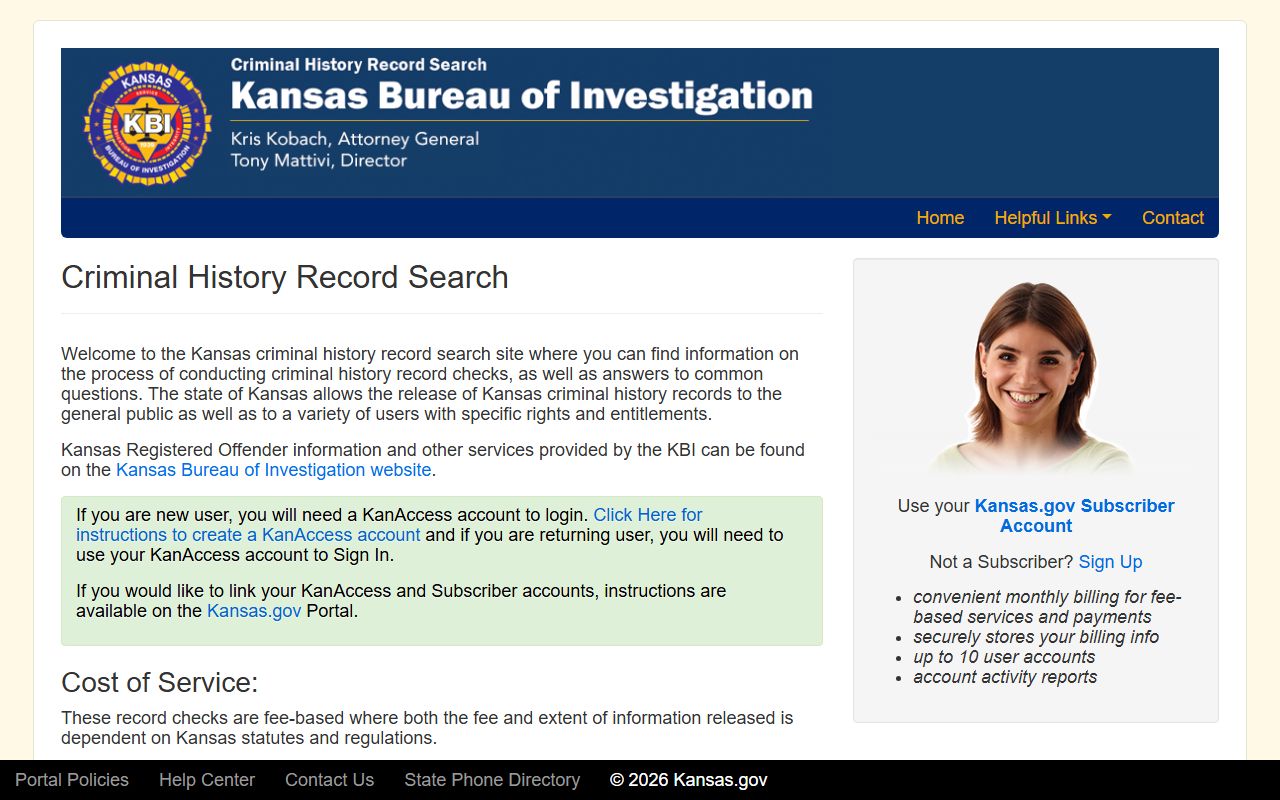
Use that statewide criminal-history search for a record check, but use court channels to read the case file and docket history.
Neosho County Criminal Case Flow
Criminal case records become clearer when read as a sequence. The charge document starts the court case. Early hearings address appearance, bond, counsel, and plea. Pretrial events can include motions, plea talks, discovery issues, status hearings, or diversion. The record may end in dismissal, diversion dismissal with prejudice, plea, trial verdict, sentence, probation, restitution, fees, or later revocation. A single defendant may have more than one count, and each count can have a different status.
Case flow: Charges Filed › Arraignment › Pretrial / Motions › Plea or Trial › Disposition › Sentencing
Charges Filed: the County Attorney files a complaint or information that states the alleged offenses.
First Appearance and Bond: the court addresses release conditions, counsel, next setting, and basic rights.
Arraignment through Pretrial: the record may show plea entry, discovery issues, motions, diversion talks, and status settings.
Plea, Trial, and Sentence: the case resolves by dismissal, diversion, plea, verdict, sentence, probation, costs, restitution, or supervision terms.
What Neosho County Criminal Records Show
Criminal docket samples for Neosho County show State of Kansas captions, prosecutor entries, defendants, defense counsel or public defender, first appearances, bond-appearance settings, pretrial conferences, and diversion-revocation events. A full criminal case file can show more. It may include the charging document, appearance history, counsel status, motions, orders, plea documents, disposition, sentence, probation entries, fines, fees, restitution, and expungement or sealed-record entries when public access permits.
| Field | What It Shows |
|---|---|
| Case Number | The Neosho criminal case identifier, often using `NOC`, filing year, `CR`, and a sequence number. |
| Defendant | The person charged in the State of Kansas case, subject to redaction if law requires it. |
| Prosecutor | The Neosho County Attorney or attorney listed for the State of Kansas. |
| Defense Counsel | Private counsel, public defender, or self-represented status when listed. |
| Charges | The offenses filed, amended, dismissed, reduced, or resolved in the case. |
| Hearings | First appearance, arraignment, pretrial, bond, diversion, status, revocation, trial, or sentencing settings. |
| Disposition | Dismissal, plea, verdict, diversion outcome, conviction, acquittal, or other final count-level result. |
| Sentence | Jail, prison, probation, postrelease, fines, costs, restitution, or other court-ordered terms when public. |
Neosho Criminal Charges vs Convictions
A charge is an accusation filed in court. A conviction is a formal finding of guilt after a plea or verdict. Neosho County criminal court records may show both, but they are not the same. A case can show charges that were dismissed, amended, reduced, diverted, or resolved on only some counts. For a closer look at the offense allegations themselves, use the Neosho County arrest records and court charges path. For the broader file, stay with the criminal court record.
| Point | Charge | Conviction |
|---|---|---|
| Meaning | An alleged offense filed by complaint, information, citation, or related charging paper. | A court outcome finding guilt after plea or trial. |
| Timing | Appears early in the case and may change before final disposition. | Appears only after the court accepts a plea or enters a guilty verdict. |
| Record Risk | May remain visible even if later dismissed unless restricted or expunged. | May affect sentencing, probation, criminal history, and expungement timing. |
| How to Verify | Read the count status and later docket entries. | Read the disposition and sentencing entries for each count. |
Neosho County Attorney and Defense
The Neosho County Attorney’s Office files and prosecutes state criminal cases in Neosho County District Court. The office is at 102 S. Lincoln, Chanute, Kansas 66720, with mailing address P.O. Box 370, Chanute, Kansas 66720, phone 620-431-5750, and hours Monday through Friday, 8 a.m. to 4:30 p.m. Sheryl Bussell is listed as County Attorney. Kansas counties use county attorneys for this local role, not district attorneys.
Diversion can appear in criminal court records. The Neosho County Attorney diversion policy states that the office has a pretrial diversion program and that successful completion results in charges dismissed with prejudice. Diversion is discretionary, not a right. Application fees in the policy vary by case type, with traffic and fish and game at $25, DUI and misdemeanor at $100, and felony at $150. Court costs listed in the policy are separate and subject to change by the court.
The Southeast Kansas Regional Public Defender Office in Chanute is at 10 S. Highland Ave, Chanute, Kansas 66720, phone 620-431-3796. Public defenders are appointed through court indigency procedures and case eligibility. They are not chosen through a public-records request.
Access Neosho County Criminal Records
Kansas criminal court records are public only to the extent allowed by court rules, statutes, and orders. Kansas Supreme Court Rule 22 governs public electronic access to district and appellate case records. Kansas open-records statutes such as K.S.A. 45-218 and K.S.A. 45-220 explain public inspection and request procedures for public agencies, but court electronic access has its own rule. If online records are incomplete, a courthouse terminal or clerk request may still be available.
The KBI registered offender registry is separate from the Neosho County criminal case file.
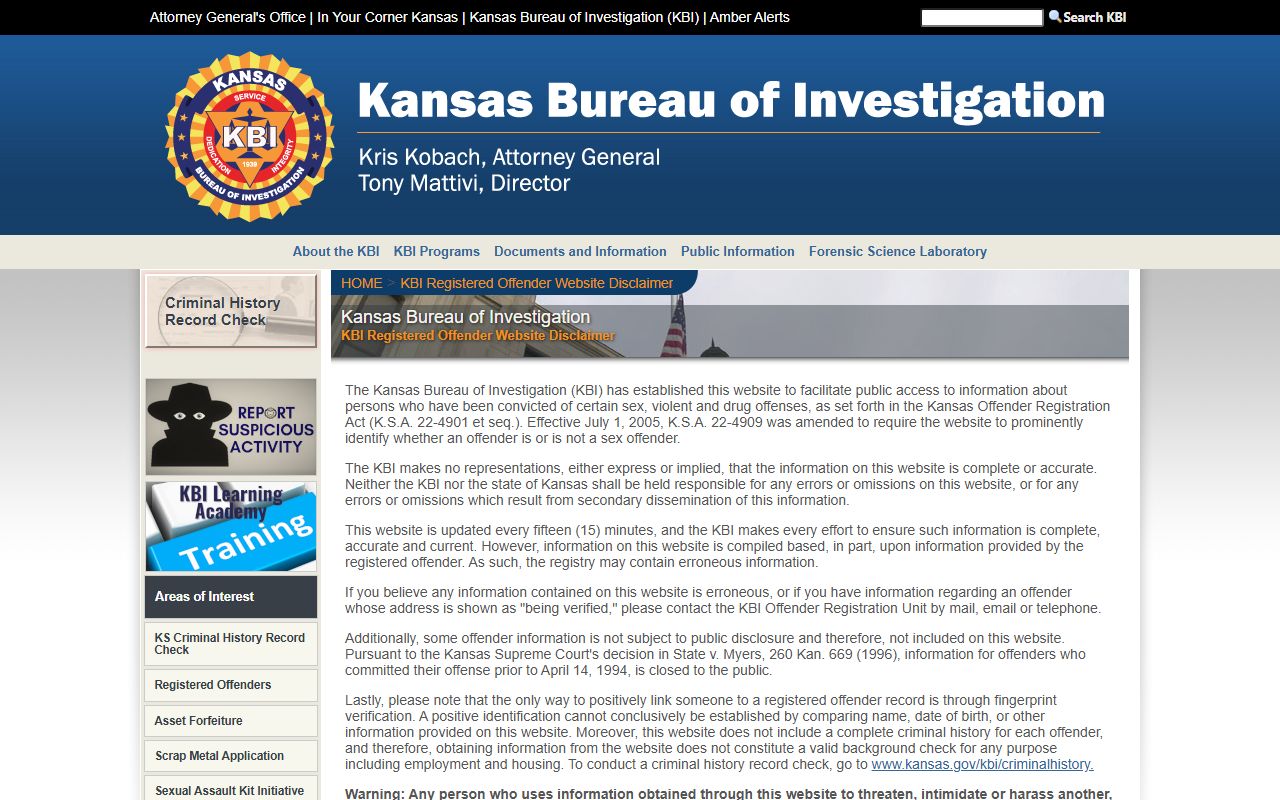
Use the registry for Kansas sex, violent, and drug offender registration information, not as a substitute for reading the court disposition.
Sealed Neosho County Criminal Records
Sealed and expunged records are different. A sealed record is closed from public inspection by law or court order. An expunged record has gone through a statutory process that limits public access to an eligible conviction, diversion, arrest, or municipal case. Expungement does not erase every authorized government use. It changes public access and record handling under the controlling statute and court order.
K.S.A. 21-6614 covers expungement of certain convictions, arrest records, and diversion agreements.
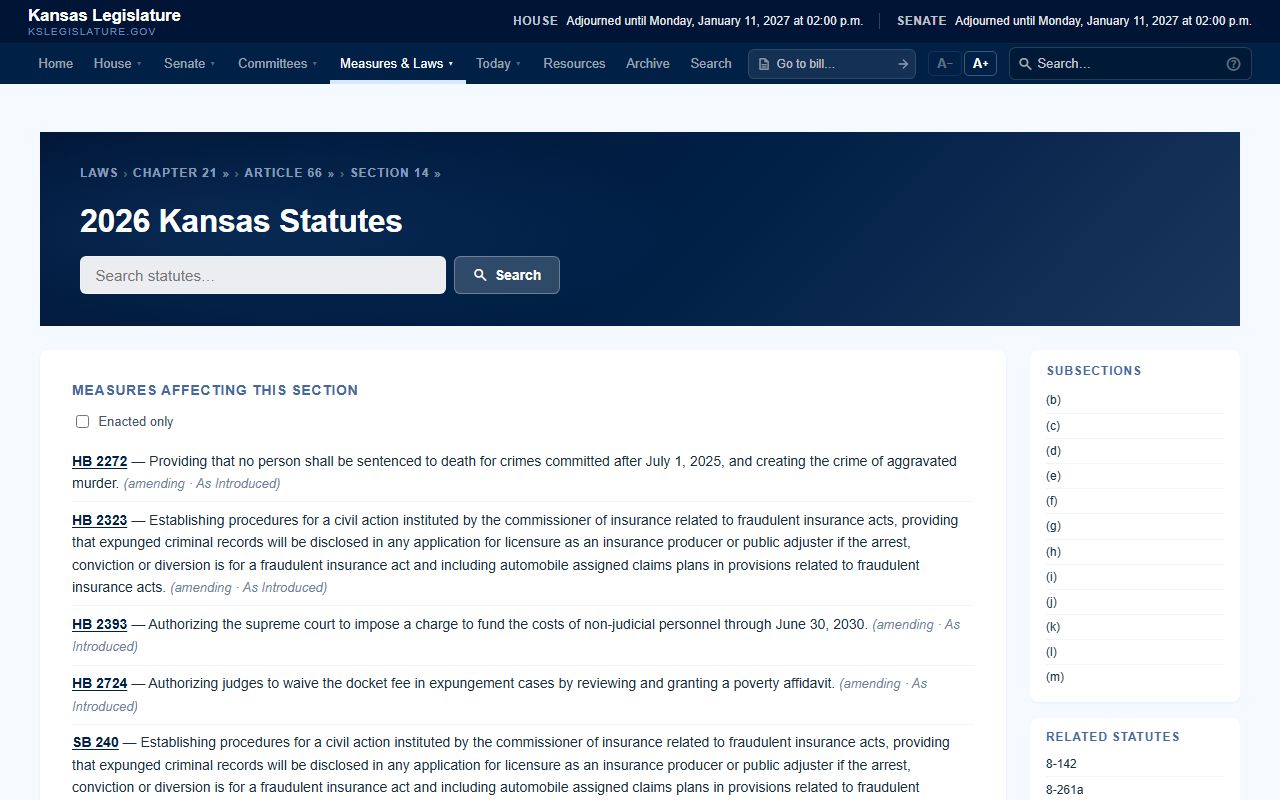
That statute is most relevant when the criminal court record has a conviction or diversion outcome that may later qualify for expungement.
| Point | Sealed | Expunged |
|---|---|---|
| Source | Statute, court order, or confidential case category. | Court order after a statutory expungement petition. |
| Public Access | Usually hidden or redacted from public view. | Limited after the order is granted, with exceptions for authorized uses. |
| Common Examples | Juvenile, adoption, care-and-treatment, sealed protection details, or sealed party names. | Eligible conviction, diversion, arrest, or municipal-court records. |
| Verification | Ask the clerk whether any public access is permitted. | Review the expungement order and statute that applies to the record type. |
Neosho Arrest and Municipal Records
Some criminal record questions involve an arrest record rather than a conviction record. K.S.A. 22-2410 covers expungement of arrest records and includes special mistaken-identity provisions.
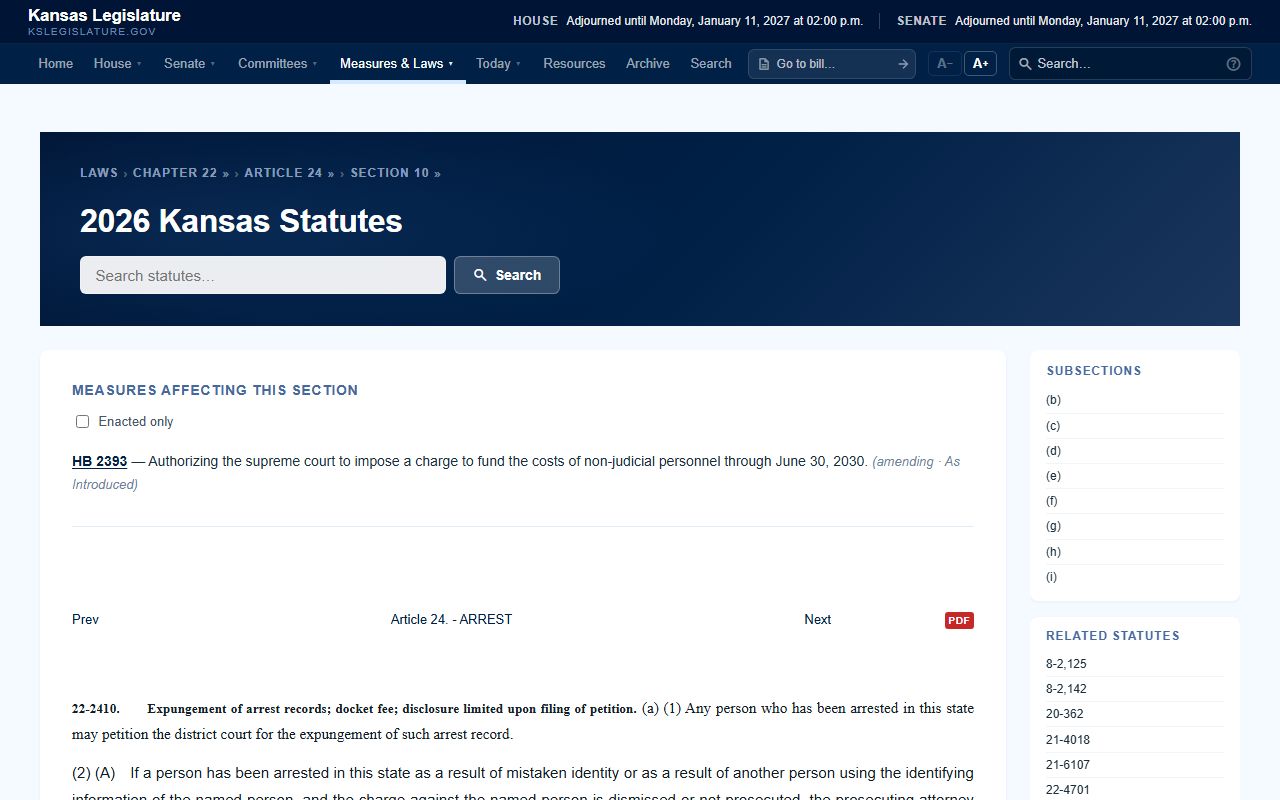
That path can matter when a person was arrested but the court record does not end in a conviction.
K.S.A. 12-4516 is the municipal-court expungement statute.
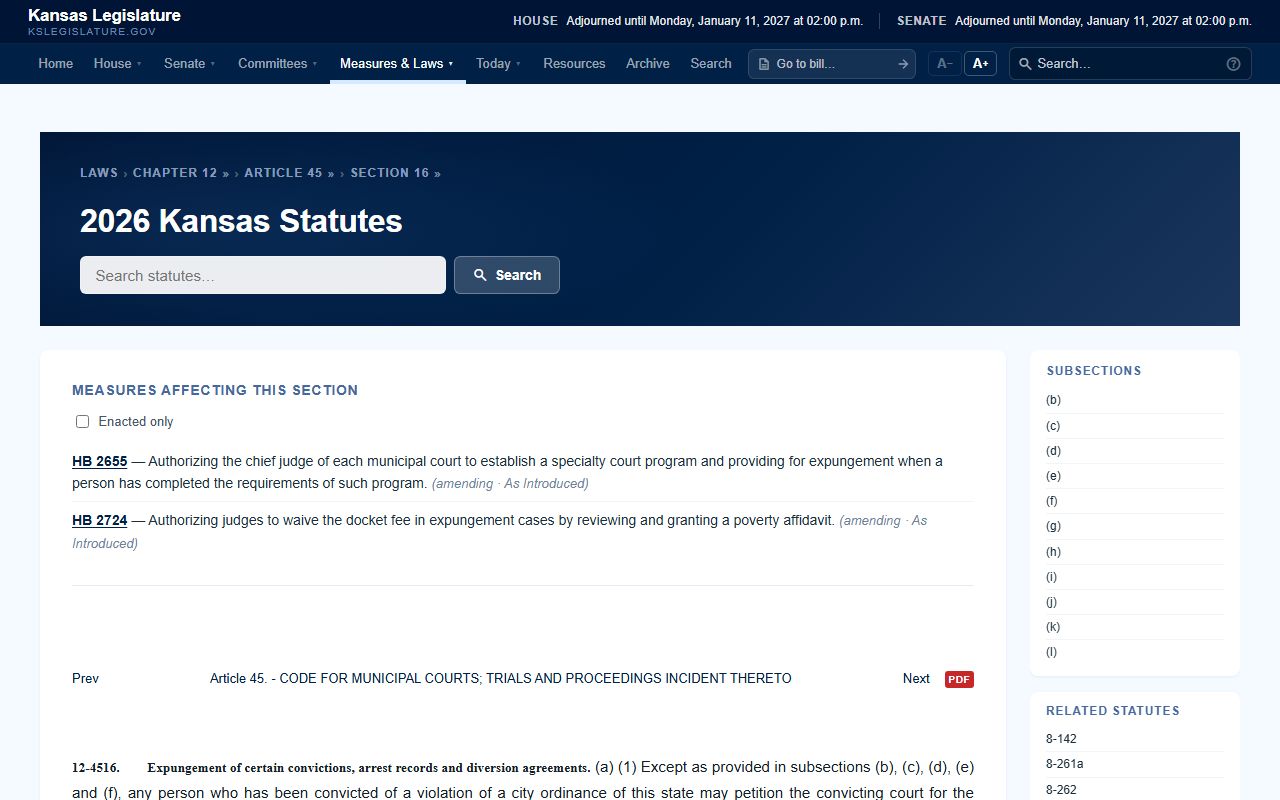
Use municipal-court routing for eligible city cases, while Neosho County District Court criminal records use the District Court process.
Restricted Neosho County Criminal Records
Juvenile criminal-related records are restricted in a different way from adult criminal cases. The 31st Judicial District calendar sample showed `JV` entries and juvenile-offender labels, but that does not make juvenile case files open like adult District Court criminal files. Kansas juvenile statutes separately address court records, law-enforcement records, diagnostic and treatment records, fingerprints, photographs, disclosure, and expungement. Public users should treat juvenile records as restricted unless the court or statute clearly allows access.
The Kansas juvenile offender code article contains juvenile offender record provisions.
Adult criminal records can also have restricted parts, including sealed party information, protected personal identifiers, expunged entries, and records closed by court order.
Note: A public calendar entry can exist even when the file, party names, or documents are sealed or restricted.